
What To Do
Each What To Do installment is a two-part overview of an important legal issue affecting inequality. The first part is a one-page reference that offers readers an overall idea of issues such as foreclosure, eviction, domestic violence and other challenging life events. The second part is a detailed back-up memorandum for those who seek further information and background.

There are many circumstances that could lead to failure to pay mortgage payments or property taxes. Unfortunately, in far too many cases, default on a mortgage or taxes leads to mortgage or tax foreclosure—where creditors seek to reclaim the property subject to the default.

The following resource is designed to help understand and navigate mortgage foreclosure. For more detailed guidance, please review our What to Do: When Facing Mortgage or Tax Foreclosure memo.

The following resource is designed to help understand and navigate tax foreclosure. For more detailed guidance, please review our What to Do: When Facing Mortgage or Tax Foreclosure memo.

This memorandum provides useful information regarding the management of a loved one’s affairs (estate) when they have passed. Estate matters can be laborious and emotionally charged. This memorandum will explain probate and administration in New Jersey and provides information for you to begin navigating the process of managing your loved one’s estate. However, this memorandum provides general information, and is not intended to serve as legal advice. No two estates are the same and the law on the administration of estates is extensive. It is recommended that you consult with an experienced estate attorney to answer any questions related to your particular circumstances.

The following resources are designed to help understand and navigate estate administration in New Jersey when a loved one passes with a will. A flyer is also available for when a loved one passes without a will here.
Thanks to the U.S. Supreme Court’s decision last June in Students for Fair Admissions v. Harvard, the country’s 12th graders now applying to selective colleges face unprecedented angst—especially if they’re black.
You face an admissions process where your understanding of race and racism has been rejected, forbidden as a factor in considering you, on no less than constitutional grounds. Forget “affirmative action” that might deliberately correct for the persistent effects of longstanding racial exclusion from majority-white institutions. Forget societal discrimination—the Court already decided there is none that matters. Now, educational “diversity” is a barely lawful interest for schools to consider. Your race and all that comes with it is in unconstitutional territory.
Except on your personal essay.

The following resources are designed to help understand and navigate estate administration in New Jersey.
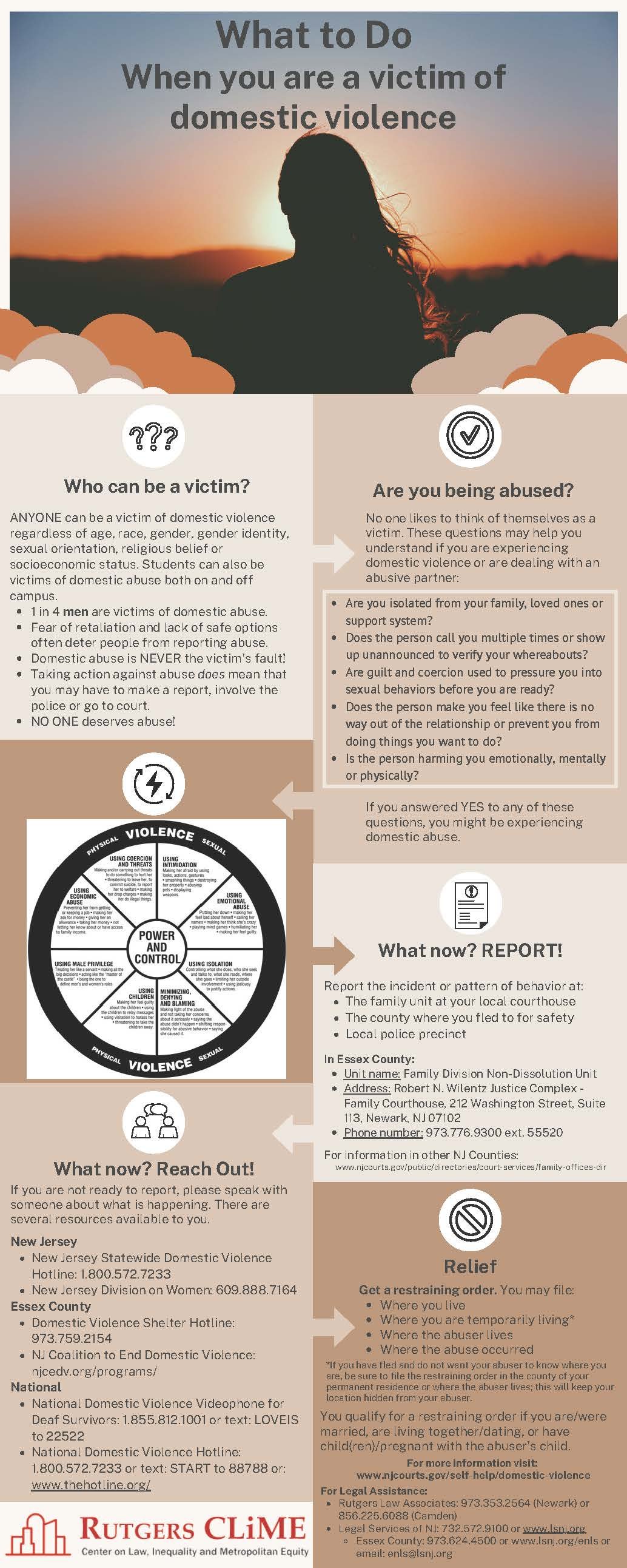
Domestic violence/abuse can be an incident or pattern of behavior in any relationship used to gain or maintain power and control over someone else. If you believe you may be a victim of domestic violence, you can speak to a trusted source such as a helpline, friend, family member, counselor/therapist, and/or take legal action. Keep in mind that domestic abuse is never the victim’s fault. However, there are consequences to taking action against domestic violence. For example, speaking to someone may lead to mandatory reporting (depending on the person), and taking legal action may mean police involvement and court appearances. No one deserves abuse, so do not let these consequences stop you from seeking help.